
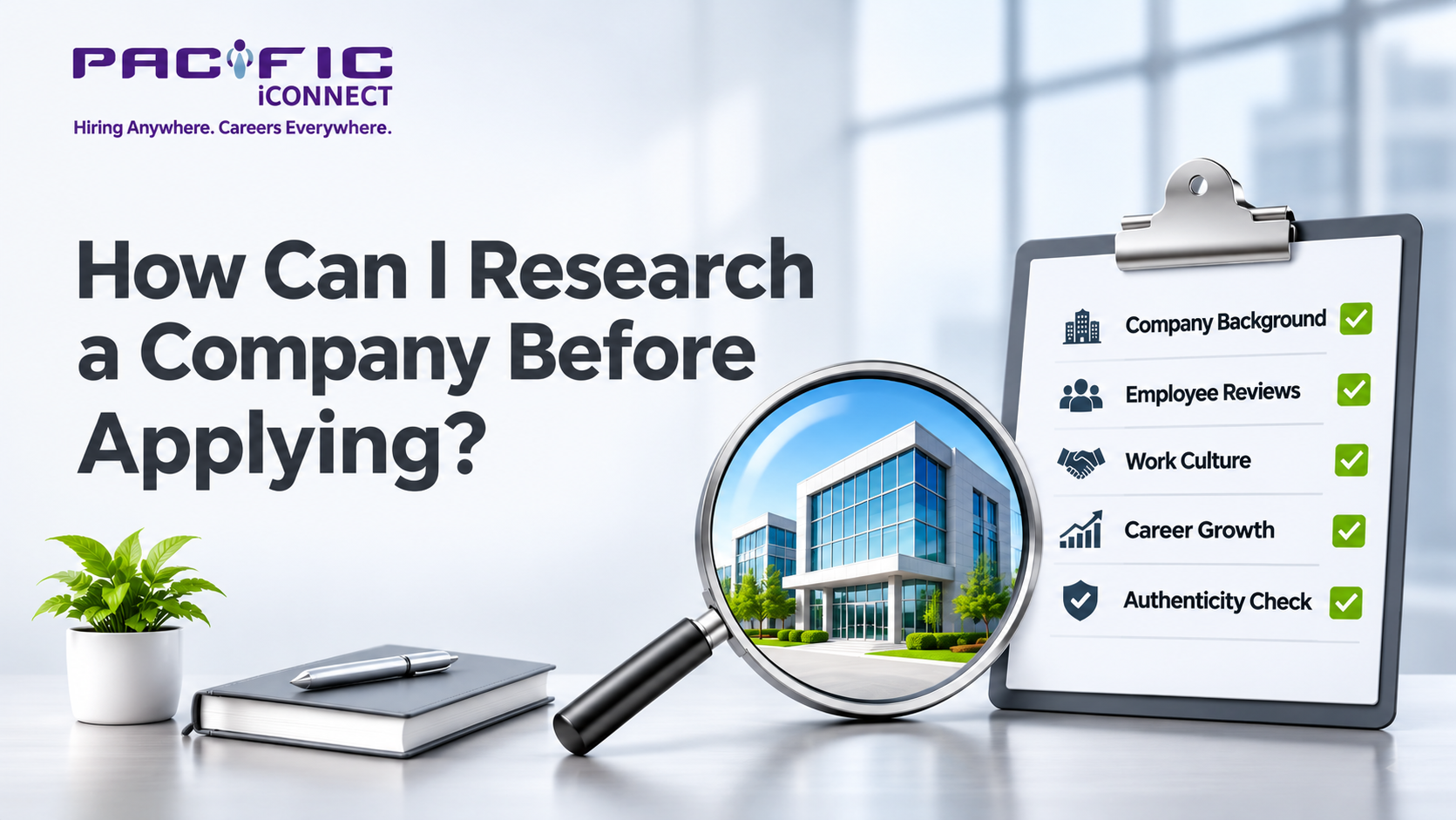
Finding a job that matches your qualifications and experience is important, but have you researched the company before submitting your application?
Many job seekers focus mainly on the job title, salary and location. However, understanding the organisation behind the vacancy can help you decide whether the opportunity matches your career goals and expectations.
A company may offer an attractive position, but its work culture, business activities, employee experience and job requirements may be different from what you expect.
From researching a company before applying is an important step towards making informed career decisions. It can also help you prepare better applications and ask meaningful questions during interviews.
Whether you are a fresher searching for your first job or an experienced professional planning a career change, here are 12 practical ways to research a company before applying.
1. Visit the Company's Official Website
The official website is one of the best places to begin your research.
Visit the company's website and explore important sections such as:
- About Us.
- Products and Services.
- Careers.
- Company News.
- Contact Information.
- Mission and Values.
Try to understand what the organisation does, which industry it operates in and whom it serves.
For example, if you are applying for a Digital Marketing Executive position, check whether the company offers digital services, operates an online business or has an active digital presence.
This information can help you understand the organisation and connect your skills with its business activities.
However, remember that a company website represents the organisation's own presentation. You should also check independent sources.
2. Understand the Company's Products and Services
Knowing what a company sells or provides can help you understand its business model and the work you may be involved in.
Research:
- Main products or services.
- Target customers.
- Industry or market.
- Business locations.
- Major competitors.
- Recent product or service developments.
For example, if you are applying to a manufacturing company, understand what it manufactures and which industries it supplies.
If you are applying to an IT company, explore its software, technology services or digital solutions.
This knowledge can also help you answer interview questions such as, "What do you know about our company?"
3. Check the Company's LinkedIn Profile
LinkedIn can provide useful professional information about an organisation.
Visit the company's official LinkedIn page and explore:
- Company introduction.
- Recent posts and announcements.
- Employee profiles.
- Leadership information.
- Job vacancies.
- Company milestones.
- Professional activities.
You can also look at the profiles of people working in the department you are interested in.
For example, if you are applying for an HR position, exploring the professional profiles of HR employees may help you understand the types of roles and skills associated with the organisation.
Use this information to develop a better understanding of the company, rather than judging it only by its follower count or social media activity.
4. Read Employee Reviews Carefully
Employee reviews can provide additional perspectives about working in an organisation.
You can explore available reviews on platforms such as Glassdoor and Indeed.
Pay attention to recurring feedback about:
- Management and leadership.
- Salary payments.
- Working hours.
- Work-life balance.
- Employee benefits.
- Workplace culture.
- Career development.
- Job responsibilities.
Do not judge an organisation based on one extremely positive or negative review.
Read multiple reviews, consider their dates and look for repeated patterns.
For example, if several recent reviews mention unclear job responsibilities, you may want to ask the recruiter about role expectations during the interview.
Remember that employee reviews reflect individual experiences and may not represent the entire organisation.
5. Search for Recent Company News
Company news can help you understand what is happening in the organisation and its industry.
Search for the company's name along with relevant terms such as:
- New projects.
- Business expansion.
- New partnerships.
- Product launches.
- Leadership changes.
- Company achievements.
- Industry developments.
Prefer reliable news sources and check publication dates before relying on information.
For example, if a company has recently expanded into a new market, understanding that development may help you learn more about its business direction.
You do not need to memorise every company announcement. Focus on developments that are relevant to the position you are applying for.
6. Research the Company's Work Culture
Work culture can influence your everyday professional experience.
Before applying, try to understand the organisation's approach to employees, communication and teamwork.
Look for information about:
- Working arrangements.
- Team structure.
- Management practices.
- Employee recognition.
- Training opportunities.
- Workplace policies.
- Diversity and inclusion initiatives.
You can explore the company's career page, professional updates and employee feedback.
During the interview, ask about the working environment and reporting structure.
For example:
"What is the team structure for this position, and how does the department manage daily responsibilities?"
Such questions can help you understand whether the workplace may suit your expectations.
7. Study the Job Description Properly
Researching a company is not enough. You should also understand the specific vacancy.
Read the job description carefully before applying.
Check:
- Job designation.
- Main responsibilities.
- Educational qualifications.
- Required experience.
- Technical skills.
- Job location.
- Working hours.
- Reporting structure.
- Employment type.
For example, a Digital Marketing Executive vacancy may require SEO, social media management, content creation, paid advertising or analytics.
If your experience matches the actual responsibilities, you can prepare a more relevant CV and application.
Do not apply based only on the job title without understanding the work involved.
8. Understand the Company's Career Opportunities
Before applying, explore whether the organisation offers opportunities that match your professional interests.
Look for:
- Training programmes.
- Skill development.
- Mentoring.
- Internal job opportunities.
- Performance reviews.
- Leadership development.
- Opportunities to handle new responsibilities.
Freshers may prioritise practical experience and guidance, while experienced professionals may look for specialised responsibilities or leadership opportunities.
During the interview, ask how employees receive feedback and how professional development is supported.
Do not assume that every organisation guarantees promotions. Understand the actual opportunities and eligibility criteria.
9. Verify the Company's Identity and Job Vacancy
This is one of the most important steps for job seekers in India.
A vacancy may use the name or logo of a recognised organisation without being authorised by that company.
Before applying, check:
- Whether the vacancy appears on the official careers page.
- Whether the recruiter uses a verifiable company email address.
- Whether the company contact details match its official website.
- Whether the job description is consistent across sources.
- Whether the interview and selection process appears legitimate.
For Indian companies, you can also check available company registration details through the Ministry of Corporate Affairs website, where applicable.
The Ministry of Home Affairs' Cyber Dost job-fraud guidance recommends checking the company's website and verifying job advertisements rather than trusting advertisements or unsolicited messages blindly.
10. Be Careful About Job Scams and Registration Fees
Job seekers should be cautious when an unknown recruiter asks for money or sensitive personal information.
Warning signs may include:
- Requests for registration fees to secure a job.
- Payments demanded for interview scheduling.
- Unusually high salaries for very little work.
- Offers without a proper selection process.
- Pressure to accept an offer immediately.
- Requests for OTPs, passwords or banking credentials.
- Recruiters using email addresses that imitate official company domains.
11. Speak With Current or Former Employees
If possible, connect with someone who currently works or has previously worked at the organisation.
LinkedIn can help you identify professionals from relevant departments.
You can send a polite message asking whether they are comfortable sharing general information about their workplace experience.
Useful questions include:
- How would you describe the work environment?
- What skills are important in your department?
- How is the team structured?
- What should a new employee understand before joining?
- What is the training process like?
Respect their time and do not expect them to disclose confidential company information.
An employee's experience can provide useful context, but it should be considered alongside other sources.
12. Prepare Questions Before Submitting Your Application
After researching the company, write down anything you still need to understand.
You may prepare questions about:
- Daily job responsibilities.
- Required skills.
- Reporting manager.
- Team size.
- Working hours.
- Training and onboarding.
- Salary structure.
- Employee benefits.
- Career development.
You do not need to contact the recruiter with every question before applying. Save some questions for the interview or later recruitment discussions.
The purpose of your research is to understand the opportunity and decide whether it is worth pursuing.
A Simple Company Research Checklist for Job Seekers
Before applying, use this checklist to organise your research.
- I have visited the company's official website.
- I understand its products and services.
- I have checked its professional social media profiles.
- I have reviewed employee feedback from multiple sources.
- I have searched for recent company news.
- I understand the company's work culture as far as available information allows.
- I have read the job description carefully.
- The job responsibilities match my skills and interests.
- I have checked the company's identity and vacancy details.
- I have identified any questions or warning signs.
- I understand the basic employment conditions.
You do not need to spend several days researching every organisation. Start with the most important information before applying, and conduct deeper research before an interview or accepting an offer.
How Pacific iConnect Can Support Your Job Search
Pacific iConnect provides digital features that job seekers can explore while preparing their professional profiles and searching for employment opportunities.
Some useful features include:
Build CV: Prepare your CV with your educational qualifications, professional skills and work experience.
Job Seeker Profile: Organise your professional information and present your background while exploring vacancies.
Location-Based Job Search: Explore available job opportunities according to your preferred location.
These features can support your job search process. However, researching the organisation and verifying the authenticity of each vacancy remain important responsibilities for every job seeker.
Explore Pacific iConnect:
Website: https://www.pacificiconnect.com/
Final Thoughts
Applying for a job is an important career decision, so take time to understand the organisation before submitting your application.
From a job seeker's point of view, company research helps you understand the business, evaluate the job role, learn about workplace culture and identify potential warning signs.
Do not depend only on advertisements or attractive salary promises. Check official information, explore independent sources, read employee feedback and verify the vacancy.
Pacific iConnect can help you prepare your job seeker profile and explore available opportunities. Combine your job search with careful company research to make more informed career decisions.